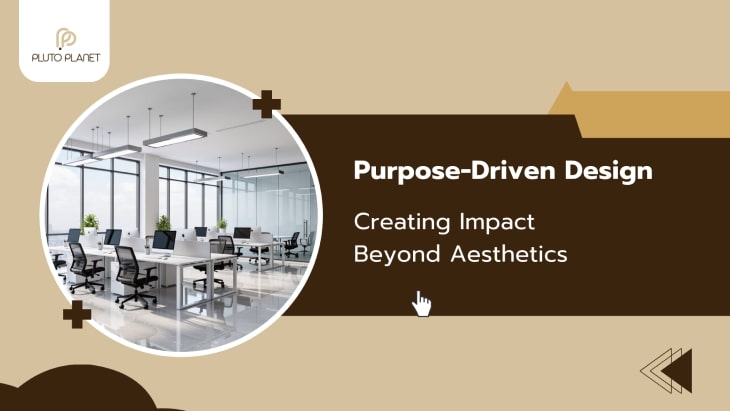


In today’s evolving business landscape, design is no longer limited to visual appeal alone. While attractive spaces and stylish layouts still matter, businesses are increasingly realizing that design must serve a deeper purpose. This shift has given rise to purpose-driven design, an approach that focuses on meaning, functionality, and impact rather than aesthetics alone.
In the context of office interior design, purpose-driven design goes beyond beautiful furniture and trendy colors. It considers how spaces influence productivity, collaboration, employee well-being, and brand identity. As workplaces evolve and expectations change, modern office design must respond to real human needs, business goals, and social responsibility.
The purpose of this blog is to explain what purpose-driven design truly means, why it matters more than ever, and how businesses can use it to create office spaces that deliver long-term value and meaningful impact.
What Is Purpose-Driven Design?
Purpose-driven design is an approach where every design decision is guided by a clear intention. Instead of asking, “How will this look?” the focus shifts to “Why is this needed?” and “How will this improve experience and outcomes?”
Core Philosophy of Purpose-Driven Design
- • Design serves a function, not just a form
- • Spaces are created to support people, not impress them
- • Visual appeal is balanced with usability and emotion
- • Design reflects values, culture, and purpose
Aesthetic-Focused vs Purpose-Driven Design
- Aesthetic-Focused Design
- • Prioritizes looks and trends
- • Often short-lived
- • May overlook comfort and usability
- Purpose-Driven Design
- • Prioritizes function and impact
- • Long-term and adaptable
- • Aligns with user needs and business goals
In modern office design, purpose influences layout, lighting, materials, and even color psychology to ensure spaces support how people actually work.
Why Purpose Matters More Than Ever
The way people work has changed significantly. Hybrid work, flexible schedules, and wellness-focused cultures have reshaped expectations from office spaces.
Changing User Expectations
Employees now expect offices to:
- • Support collaboration and focus
- • Promote well-being and comfort
- • Reflect company culture and values
- • Encourage creativity and engagement
Rise of Conscious Businesses
Organizations today care about:
- • Sustainability
- • Inclusivity
- • Employee experience
- • Social responsibility
Design plays a key role in communicating these values. Purpose-driven office interior design helps build trust, reinforce brand identity, and improve engagement among employees and visitors alike.
Core Principles of Purpose-Driven Design
Purpose-driven design follows a set of core principles that guide every decision.
- • User-Centric Thinking: Design starts with understanding how people use the space, their workflows, and their challenges.
- • Accessibility and Inclusivity: Spaces should be usable by everyone, regardless of ability or background.
- • Sustainability and Responsibility: Eco-friendly materials, energy efficiency, and waste reduction are essential elements of modern office design.
- • Functionality and Usability: Design must support productivity, comfort, and flexibility.
- • Emotional and Psychological Impact: Colors, lighting, textures, and layouts influence mood, motivation, and mental well-being.
Together, these principles ensure that office spaces are not just visually appealing but truly effective.
Purpose-Driven Design in Different Industries
Purpose-driven design is relevant across industries, but its application varies.
Branding and Marketing Design
Design tells a story and communicates brand values clearly.
Product and Industrial Design
Products are created to solve real problems, not just look attractive.
Interior and Architectural Design
In office interior design, purpose drives space planning, ergonomics, and user experience.
Digital Design (UX/UI)
Websites and apps prioritize usability, accessibility, and clarity.
Social Impact Projects
Design supports community development, education, and sustainability initiatives.
Each industry uses design as a tool to create meaningful outcomes rather than surface-level appeal.
Business Benefits of Purpose-Driven Design
Investing in purpose-driven modern office design delivers measurable business benefits.
Key Advantages
- • Stronger brand identity and recognition
- • Improved employee satisfaction and retention
- • Higher productivity and collaboration
- • Better use of space and resources
- • Long-term value instead of short-term trends
Purpose-driven offices also adapt better to future changes, making them a smart investment for growing organizations.
Real-World Examples of Purpose-Driven Design
Many successful workplaces demonstrate how purpose elevates design.
Examples of Impactful Design
- • Offices designed around collaboration zones and quiet focus areas
- • Workspaces that incorporate natural light and greenery for wellness
- • Flexible layouts that support hybrid work models
- • Sustainable materials that reduce environmental impact
These designs succeed because they address real user needs rather than following trends blindly.
How to Implement Purpose-Driven Design
Creating a purpose-driven office requires a thoughtful and strategic approach.
Key Steps to Follow
- • Identify brand values and purpose: Understand what your organization stands for and how design can reflect it.
- • Understand user needs: Gather insights from employees and stakeholders.
- • Align design with business goals: Ensure space planning supports productivity, growth, and culture.
- • Encourage collaboration: Designers, leadership, and users should work together.
- • Measure impact beyond visuals: Evaluate success through employee feedback, space utilization, and performance.
Professional expertise plays a crucial role in translating these ideas into practical office interior design solutions.
Common Mistakes to Avoid
While implementing purpose-driven design, businesses should avoid these pitfalls:
- • Designing without research or user input
- • Prioritizing trends over functionality
- • Ignoring accessibility and inclusivity
- • Failing to align design with brand messaging
- • Over-designing spaces that limit flexibility
Avoiding these mistakes ensures that modern office design remains effective, relevant, and future-ready.
Conclusion
Purpose-driven design represents the future of impactful spaces. It shifts the focus from appearance to meaning, ensuring that design decisions create real value for people and businesses alike. In the workplace, purpose-driven office interior design supports productivity, well-being, and brand identity while adapting to evolving work cultures.
Design with purpose is not a trend—it is a long-term strategy that delivers sustainable impact. Organizations that embrace this approach build offices that inspire, engage, and perform beyond expectations.
We at Pluto Planet specialize in creating purpose-driven and modern office design solutions that go beyond aesthetics. Our approach combines strategy, creativity, and functionality to deliver workspaces that truly make a difference.
FAQs:
1. What is purpose-driven office interior design?
Purpose-driven office interior design focuses on creating workspaces that go beyond appearance. It combines functionality, employee well-being, brand values, and productivity to deliver meaningful impact, not just visual appeal.
2. How does modern office design improve employee productivity?
Modern office design enhances productivity by improving space planning, lighting, ergonomics, acoustics, and collaboration areas. A well-designed office supports comfort, focus, and teamwork, leading to better performance.
3. Why is purpose important in office interior design?
Purpose helps align office interior design with business goals and employee needs. It ensures that design decisions are intentional, practical, and supportive of company culture, rather than driven only by trends.
4. What are the key elements of purpose-driven modern office design?
Key elements include:
- • User-centric layout planning
- • Functional and flexible workspaces
- • Sustainable materials
- • Accessibility and inclusivity
- • Emotional and psychological comfort
These elements help create offices that are both efficient and inspiring.
5. How can businesses implement purpose-driven office interior design?
Businesses can start by identifying their goals, understanding employee needs, and working with experienced designers. A strategic approach ensures that modern office design supports daily operations, brand identity, and long-term growth.

Leave a reply