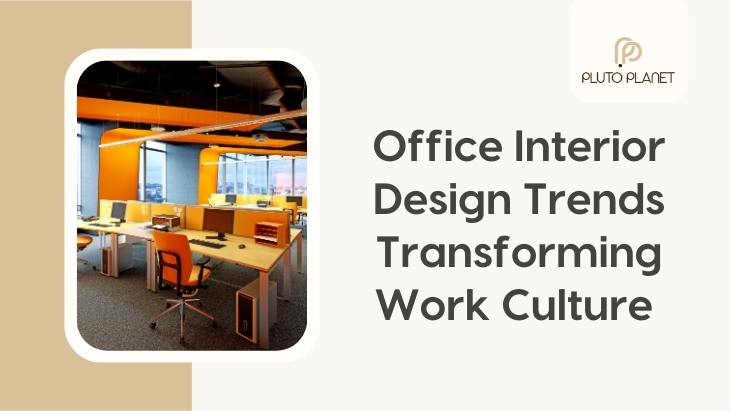


The contemporary workplace has experienced a radical change in the recent years. What was initially a strictly functional environment has transformed into a place of not only company culture but also the well-being of the employees and innovation. As remote and hybrid work setups increasingly gain traction, companies are considering ways in which their office environment can be useful beyond hardware, such as desks and meeting rooms. Consequently, the office interior design is now regarded as a strategic tool – one that determines productivity, morale and collaboration.
The modern competitive business environment has seen firms seek workspaces that are not only preferred to look attractive but also work effectively to support the operations of the modern-day teams. It could be the introduction of flexible spaces, the incorporation of technology, or the emphasis of comfort, but the transition to modern office design is changing how the employee deals with their space. Companies have realised the need for creating spaces that captivate their values besides improving performance. The increasing demand for worker-focused, adaptable, and innovative workplace designs has preconditioned a novel phase in workplace design.
Shift Toward Employee Well-Being
Principles of Wellness-Focused Design
Organisations have made health and wellness a priority issue in the global arena. Going through the rising level of stress and the growth of workloads, a proper workplace can contribute significantly to the satisfaction levels of employees and their mental health. Contemporary businesses realise that an employee who is healthy is one that works productively. That is why the office interior design based on wellness incorporates the factors that make the environment more comfortable and conducive.
Biophilic Design: Nature to the Nurture
The modern-day workplaces are still dominated by biophilic design. This trend focuses on the use of natural sceneries like plants, natural materials and high windows that permit much daylight. Nature-themed decor and indoor plants enable stress reduction, boost creativity, and improve the quality of air. Workers that operate in areas resembling nature are likely to become calmer, more refreshed, and more active.
Ergonomic and Comfort-First Designs
Ergonomics is an involvement essential to the present office design. Adjustable seats, sit-stand desks, cushioned floors and seating that is comfortable will decrease the strain and improve comfort. The employees are healthier and work better when they are physically supported. Lounge layouts and casual seating areas, relaxation areas where employees can have breaks or rest, are also a part of comfort-first layouts.
Rise of Hybrid and Flexible Workspaces
Flexible and Interchangeable Furniture
Since hybrid work is now a new reality, offices must be able to accommodate the dynamic nature of team structure. The workspace can be reconfigured easily with the help of modular workstations, movable partitions and portable furniture. This fluidity assists the teams to move between individual work, collaboration and meetings with ease.
Multi-Purpose and Activity-Based Rooms
Multi-purpose rooms are versatile, and this is what is needed by teams today. These rooms may be used as training rooms, brainstorming rooms, individual working pods or even mini-event rooms. The activity-based workstations are intended to correspond to the tasks, such as meeting nooks for brief conversations, quiet areas to concentrate, and open areas to communicate with a group.
Desk-Sharing and Hot-Desking
Hot-desking systems are being embraced by many companies to maximise space and save overhead expenditures. The employees are allowed to decide which available desk to use on the day, and this promotes movement and minimises clutter. This strategy encourages cross-functional teams and also encourages communication between various departments.
Technology-Integrated Smart Offices
Automated and Smart Systems
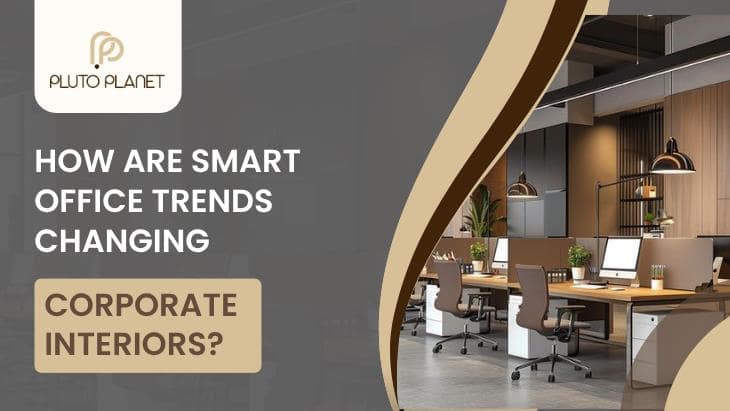
Modern office design is based upon technology. Programmable lighting, automatic climate control that responds to motion, voice-controlled gadgets, and others make the work environment smooth. These products enhance productivity and energy saving besides giving the office a futuristic feel.
Tools of Digital Collaboration
Advanced video conferencing systems, touch screens, and smart boards allow easy communication among employees both in-house and the ones in remote locations. The introduction of these tools to the office layout increases the level of interactivity, minimises delays, and makes the collaboration process more engaging.
Charging Solutions and Power
The modern workspaces have to provide the modern employees with numerous gadgets, i.e. phones, tablets, and laptops. The presence of wireless charging tables, USB-enabled furniture and cables embedded in floors makes sure that technology does not clutter the space.
Open yet Balanced Collaboration Zones
Brainstorming Rooms and Lounges
Free flow zones Open collaboration areas promote creative thinking and the flow of ideas. Seating in a lounge style, walls where it is possible to write, coloured decor, and innovative lighting all help to create the atmosphere that is perfect to brainstorm and collaborate.
Private Pods and Quiet Rooms
Although open offices encourage workers to work together, workers should have space to focus. Small focus rooms, soundproof pods, and private cabins are the optimal solution to a blend of collaboration and privacy.
Working in a Team Without Disruptions
Proper planning would help to make sure that there are no loud and quiet areas that can disrupt each other. This considerate interior design of offices allows the work of teams to be effective under any type of task.
Sustainable and Eco-Friendly Design Trends
Green Materials and Lighting
Sustainability is no longer a choice, but it is a necessity. To make their work environment green, business firms are now taking the form of recycling material, using toxin-free paints, and using energy-efficient light bulbs. This does not only enhance the environment but also improves the quality of indoor air.
Green Certifications and Waste Management
Increasingly, more companies strive to obtain such certification as LEED or WELL. These involve sustainable purchasing, effective waste management and eco-friendly design solutions.
Long-term Savings and Benefits
Green modern office design will save on energy, minimise utility costs and increase the corporate image. It would turn out to be a financially and environmentally rewarding decision in the long term.
Branding Through Interior Design
Along with Colours, Artwork and Themes
You ought to have an office that is synonymous with you. The colours of the company, inspirational quotes, thematic artwork, and personalised decor help to strengthen the identity and make the employees feel like they belong.
Storytelling Using Design
Using interior design, a brand can tell its story in the form of values, mission, and culture. An office that is well designed will create a long-lasting impression on the clients and create pride in the staff.
Influence on Motivation and Perception
Beautiful workspaces are more inspirational, can arouse creativity, and attract talent. Professional-looking and feeling offices promote credibility and improve trust on the part of clients.
Multi-Sensory and Experience-Based Workspaces
Textures, Lighting, and Sound
Sense-orientated aspects are now being introduced in modern offices. Harmonious lighting atmospheres, peaceful acoustic panels and soft textures contribute to the establishment of comfortable environments. Such sensorial additions enhance concentration and mood.
Creative and Emotional Effect
Employees who are emotionally involved at the workplace work well. Sensory design encourages interaction and establishes work experience that is easy to remember.
Future-Ready Minimalistic Design
Clean and Functional Environment
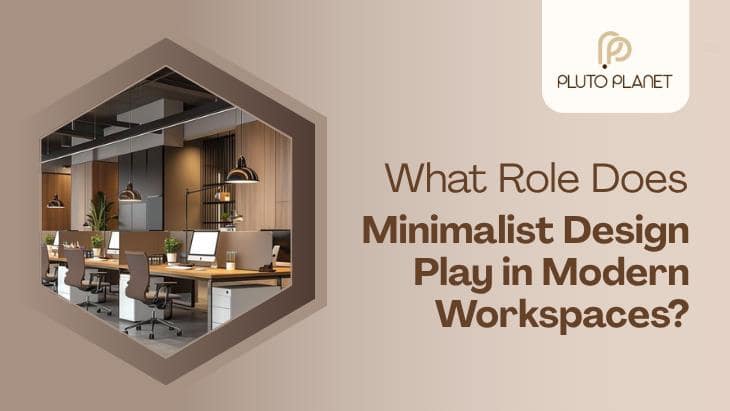
Minimalism focuses on the aspects of simplicity, practicality and beauty. Simple lines, dull colours, and minimalistic furniture are used as a measure to facilitate peaceful and concentrated work areas.
Minimalistic Office Advantages
Minimalist design simplifies the interior of an office space and enhances focus and utilisation of space. These offices are modern, clean and cool-looking and therefore would be the future of work.
Conclusion
With the culture of work still on the rise, the design of the office should change accordingly. Since current workplaces have become more flexible, purpose-driven, and engaging with wellness-orientated layouts and smart technologies, they are more dynamic than ever. These trends of contemporary office design are developing healthier, happier, and more productive teams.
PlutoPlanet is a company that creates stylish and innovative workplaces that are modern and future-ready to meet the demands of the current businesses. Our team is ready to make your vision work in case you are willing to upgrade your office or create a new one.
Contact PlutoPlanet today so as to create a workspace that brings about success.
FAQs:
1. Why is office interior design important for modern businesses?
It enhances productivity, improves employee well-being, supports collaboration, and reflects brand identity.
2. What makes modern office design different from traditional design?
Modern design focuses on flexibility, technology integration, employee comfort, and innovative layouts.
3. How does biophilic design improve the workplace?
It reduces stress, enhances creativity, improves air quality, and boosts overall mood.
4. What are smart office features?
Smart lighting, automated climate control, digital screens, wireless charging, and voice-enabled systems.
5. How can PlutoPlanet help with office interior design?
PlutoPlanet provides customised, modern, and efficient design solutions—from planning to execution—to create inspiring workspaces.

Leave a reply