


Introduction
The interior design industry is undergoing a remarkable digital transformation, and the metaverse is at the forefront of this evolution. As businesses and homeowners seek more immersive ways to plan and visualise spaces, metaverse-aided interior design is changing how projects are conceptualised, designed, and executed. Instead of relying solely on sketches, mood boards, or static 3D images, clients can now step into virtual environments and experience their future spaces before construction begins. This innovative approach enhances collaboration, improves decision-making, and minimises costly design changes. As organisations continue to invest in innovative office space design solutions, metaverse technology is becoming a powerful tool for creating smarter, more functional, and future-ready interiors.
Understanding Metaverse-Aided Interior Design
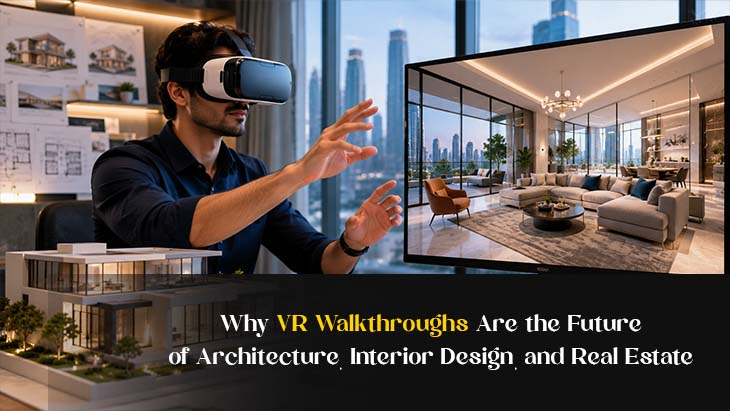
Metaverse-aided interior design combines advanced technologies such as Virtual Reality (VR), Augmented Reality (AR), Artificial Intelligence (AI), and 3D visualisation to create interactive digital environments. These virtual spaces allow designers and clients to collaborate in real time, explore multiple design concepts, and make informed decisions before implementation. Rather than imagining how a finished room might look, clients can walk through a realistic digital version of the space, gaining a true sense of scale, layout, lighting, and overall aesthetics.
Bringing Interior Design Concepts to Life
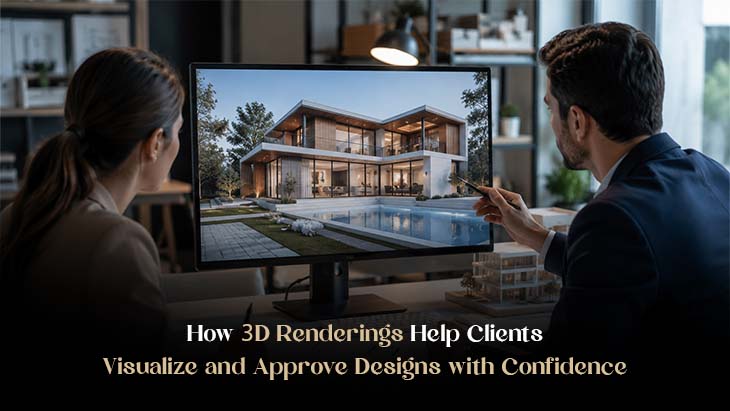
One of the biggest challenges in interior design is helping clients visualise ideas before construction or renovation begins. Traditional floor plans and sketches often fail to communicate the complete look and feel of a space. Metaverse technology bridges this gap by creating immersive virtual environments where every design element can be explored in detail. Clients can experience furniture arrangements, colour schemes, decorative finishes, and lighting effects as though they were already part of the completed project. This realistic visualisation helps transform creative concepts into tangible experiences.
Enhancing Client Engagement and Collaboration
Interior design is a collaborative process that relies heavily on effective communication between designers and clients. The metaverse creates a shared virtual workspace where both parties can interact with the design in real time. Clients can provide instant feedback, request modifications, and experiment with different layouts or finishes during virtual walkthroughs. This interactive experience reduces misunderstandings, strengthens collaboration, and ensures that the final design aligns closely with client expectations.
Making Better Design Decisions with Real-Time Visualization
Selecting materials, furniture, colours, and layouts can be overwhelming when clients are unable to visualise the final outcome. Metaverse-aided interior design eliminates this uncertainty by allowing users to compare multiple design options instantly. They can switch between different furniture styles, flooring materials, wall colours, and lighting configurations within the virtual environment. This real-time visualisation enables faster and more confident decision-making while reducing the likelihood of costly revisions later in the project.
Supporting Innovative Office Space Design Solutions
Modern workplaces are evolving to prioritise flexibility, collaboration, employee well-being, and technology integration. Metaverse-aided interior design plays a vital role in delivering innovative office space design solutions by allowing businesses to visualise office environments before implementation. Organisations can explore workstation layouts, meeting rooms, collaborative zones, breakout spaces, reception areas, and branding elements within an immersive virtual setting. This helps ensure that office interiors support productivity while reflecting company culture and business objectives.
Reducing Design Errors and Project Costs
Changes made during construction or renovation often lead to increased expenses and project delays. By using metaverse technology during the planning phase, designers and clients can identify potential issues before implementation begins. Room layouts, furniture placement, circulation paths, and functional requirements can all be evaluated in a virtual environment. Early detection of design challenges minimises expensive revisions, improves project efficiency, and helps maintain budget control throughout the development process.
Personalizing Interior Spaces
Every client has unique preferences, functional requirements, and design goals. Metaverse technology makes personalisation easier by allowing users to customise spaces instantly. Clients can experiment with different furniture arrangements, decorative elements, textures, colours, lighting styles, and accessories while viewing changes in real time. This level of customisation creates highly personalised interiors that reflect individual lifestyles, brand identities, or organisational cultures without relying on guesswork.
Integrating Smart Technology into Interior Design
Today's interiors are becoming increasingly connected through smart technologies such as automated lighting, climate control systems, intelligent security, voice assistants, and IoT-enabled devices. Metaverse-aided interior design enables clients to visualise how these technologies will function within a space before installation. Designers can plan the placement of smart systems, optimise user interactions, and ensure seamless integration into the overall interior layout. This results in spaces that are not only visually appealing but also highly functional and future-ready.
Improving Remote Collaboration Across Locations
Many interior design projects involve clients, consultants, and contractors located in different cities or countries. The metaverse removes geographical barriers by allowing everyone to collaborate inside the same virtual environment. Designers can conduct virtual meetings, present concepts, review revisions, and receive feedback without requiring physical site visits. This improves communication, accelerates approvals, and supports efficient project management regardless of location.
Promoting Sustainable Interior Design Practices
Sustainability has become a key priority in modern interior design, and the metaverse supports environmentally responsible planning. Virtual design environments reduce the need for physical mock-ups, printed materials, and repeated site visits, lowering waste and resource consumption. Designers can also evaluate sustainable materials, optimise natural lighting, and improve space utilisation before construction begins. These practices contribute to more environmentally friendly interiors while supporting long-term operational efficiency.
Enhancing Marketing and Client Presentations
Metaverse technology is also transforming how interior designers present their work to prospective clients and investors. Instead of relying on traditional presentations, designers can offer immersive virtual experiences that showcase projects in remarkable detail. Clients can explore completed concepts from anywhere in the world, creating stronger engagement and increasing confidence in design proposals. These interactive presentations provide a competitive advantage and help businesses differentiate themselves in a crowded marketplace.
The Future of Metaverse-Aided Interior Design
The future of interior design will be shaped by continued advancements in artificial intelligence, virtual reality, augmented reality, and digital twin technology. Future metaverse platforms will allow clients to make live design changes, receive AI-generated recommendations, and simulate real-world conditions such as lighting, occupancy, and energy usage. These innovations will create more intelligent, interactive, and personalised design experiences, enabling businesses and homeowners to make better decisions before construction begins.
Conclusion
Metaverse-aided interior design is revolutionising how modern spaces are planned, visualised, and delivered. By combining immersive technologies with real-time collaboration, it enables clients to experience interiors before they are built, improving communication, reducing project risks, and increasing design confidence. From personalised residential spaces to innovative office space design solutions, the metaverse is helping designers create environments that are smarter, more efficient, and better aligned with user needs. As technology continues to evolve, metaverse-driven design will play an increasingly important role in shaping the future of interior spaces.

Leave a reply