

Introduction
The architecture, interior design, and real estate industries are rapidly evolving with the adoption of immersive digital technologies. Among these innovations, Virtual Reality (VR) walkthroughs have emerged as one of the most transformative tools, changing the way projects are designed, presented, and experienced. Instead of relying on floor plans, sketches, or static images, clients can now step inside a virtual version of a property before construction even begins. This immersive experience allows them to explore every detail, understand spatial layouts, and make confident decisions. As businesses increasingly invest in innovative office space design solutions, VR walkthroughs are becoming an essential part of delivering smarter, faster, and more client-focused projects.
What Are VR Walkthroughs?
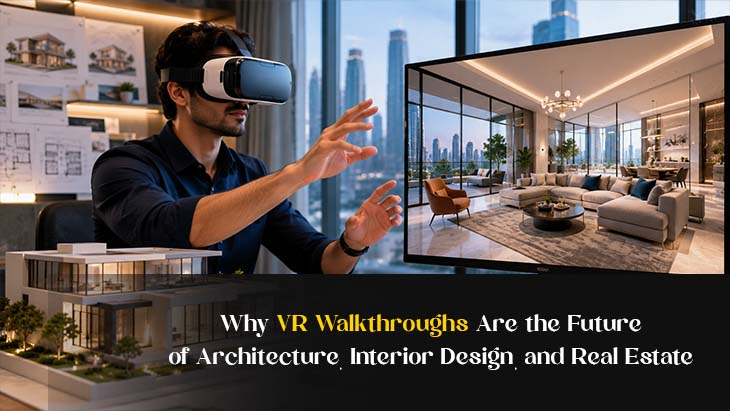
A VR walkthrough is an interactive virtual experience that allows users to explore a digitally created environment using a virtual reality headset or compatible device. Unlike traditional 3D renderings, VR walkthroughs provide a realistic sense of depth, scale, and movement, making users feel as though they are physically present inside the space. Whether it's a corporate office, residential property, retail store, or commercial building, VR technology enables clients to experience the design long before construction is completed.
Transforming the Design Visualization Process
One of the biggest challenges in architecture and interior design has always been helping clients visualise the finished project. Traditional drawings and even high-quality renderings often leave room for interpretation, making it difficult to understand the true feel of a space. VR walkthroughs eliminate this challenge by creating fully immersive environments where clients can walk through rooms, observe layouts, and experience the overall atmosphere. This realistic visualisation improves communication and helps ensure that the final design matches client expectations.
Helping Clients Make Better Design Decisions
Making important design decisions without seeing the finished space can be overwhelming. VR walkthroughs allow clients to experience different layouts, furniture arrangements, lighting conditions, and material selections before construction begins. They can evaluate multiple design options, identify potential improvements, and request modifications early in the planning process. This interactive approach increases confidence in decision-making while reducing uncertainty throughout the project.
Improving Collaboration Between Designers and Clients
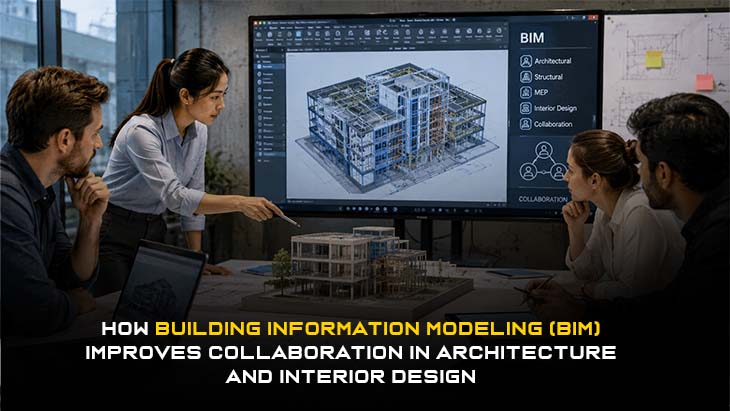
Successful projects rely on effective collaboration between designers, architects, engineers, contractors, and clients. VR walkthroughs provide a shared virtual environment where everyone can review the same design and discuss changes in real time. Instead of explaining ideas through technical drawings, designers can visually demonstrate concepts that are easier for clients to understand. This collaborative approach strengthens communication, reduces misunderstandings, and accelerates project approvals.
Reducing Costly Construction Changes
Design changes made after construction begins are often expensive and time-consuming. VR walkthroughs help identify design issues before implementation by allowing stakeholders to experience the project virtually. Clients can evaluate room sizes, furniture placement, circulation paths, and functional layouts before any physical work starts. Detecting and resolving issues early reduces costly revisions, minimises project delays, and improves overall budget control.
Enhancing Innovative Office Space Design Solutions
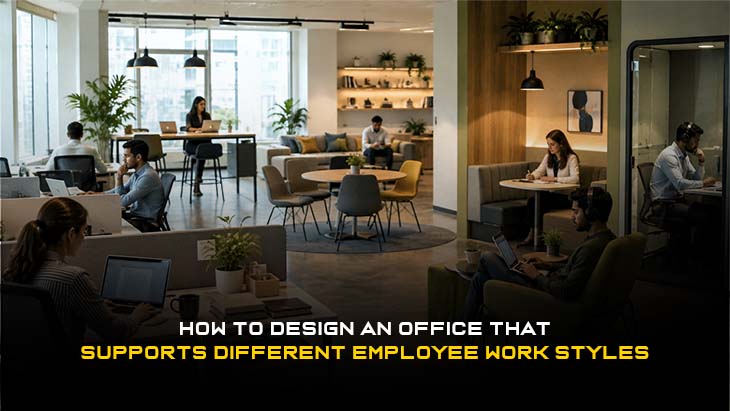
Modern workplaces require flexible, technology-enabled environments that support collaboration, productivity, and employee well-being. VR walkthroughs help businesses visualise office layouts before construction, allowing them to assess workstation placement, meeting rooms, collaborative areas, reception spaces, and breakout zones. Organisations investing in innovative office space design solutions can use VR technology to optimise workplace functionality while ensuring the design aligns with business objectives and employee needs.
Revolutionizing the Real Estate Buying Experience
The real estate industry has embraced VR walkthroughs as a powerful marketing and sales tool. Prospective buyers and tenants no longer need to visit every property in person to evaluate their options. Instead, they can explore homes, apartments, offices, and commercial buildings from anywhere in the world. This convenience saves time for both buyers and agents while expanding market reach. VR also allows developers to showcase properties before construction is completed, helping generate interest and secure early sales.
Creating More Engaging Interior Design Presentations
Interior designers use VR walkthroughs to present concepts in a highly engaging and interactive format. Rather than imagining how furniture, colours, and finishes will look together, clients can experience the complete design in a virtual environment. They can explore different design styles, compare material options, and instantly visualise changes. This level of engagement leads to faster approvals and higher client satisfaction while reducing the likelihood of post-installation modifications.
Supporting Remote Collaboration and Global Projects
In today's connected world, design teams and clients often work from different cities or countries. VR walkthroughs make remote collaboration easier by allowing participants to meet inside a shared virtual environment regardless of location. Architects, designers, developers, and clients can review projects together, discuss modifications, and make decisions without travelling. This capability improves efficiency and enables seamless collaboration on global projects.
Integrating Smart Technology into Virtual Spaces
Modern buildings increasingly incorporate smart technologies such as automated lighting, climate control, security systems, and digital collaboration tools. VR walkthroughs allow businesses to visualise how these technologies will function within a space before installation. Designers can test equipment placement, evaluate user interactions, and optimise technology integration during the planning stage. This results in smarter, more efficient environments that support future workplace needs.
Promoting Sustainable Design and Construction
Sustainability has become a major priority in architecture and interior design. VR walkthroughs contribute to environmentally responsible planning by reducing the need for physical prototypes and repeated site visits. Designers can evaluate energy-efficient layouts, natural lighting strategies, and sustainable material choices within the virtual environment. Early planning helps minimize waste, reduce construction errors, and support environmentally friendly building practices.
Increasing Marketing and Sales Opportunities
Beyond design and planning, VR walkthroughs provide significant marketing advantages. Developers, architects, and real estate professionals can use immersive experiences to showcase projects to investors, buyers, and stakeholders. Interactive virtual tours create stronger emotional connections than traditional images or videos, making it easier to communicate a project's value. This innovative presentation method helps businesses stand out in competitive markets while accelerating sales and leasing opportunities.
The Future of VR in Architecture, Interior Design, and Real Estate
As virtual reality technology continues to evolve, its role in design and real estate will expand even further. Future developments are expected to include AI-powered design recommendations, interactive customisation, digital twins, and fully immersive collaborative environments. Clients will be able to modify layouts, furniture, and finishes instantly while exploring spaces in real time. These innovations will continue to improve design accuracy, streamline decision-making, and create more personalised project experiences.
Conclusion
VR walkthroughs are transforming architecture, interior design, and real estate by providing immersive experiences that bridge the gap between imagination and reality. They improve design visualisation, strengthen collaboration, reduce construction risks, and enhance client confidence throughout the project lifecycle. As businesses continue adopting innovative office space design solutions, VR technology is becoming an indispensable tool for creating smarter, more efficient, and future-ready environments. With ongoing advancements in immersive technology, VR walkthroughs are set to become the standard for designing, marketing, and experiencing spaces in the years ahead.

Leave a reply