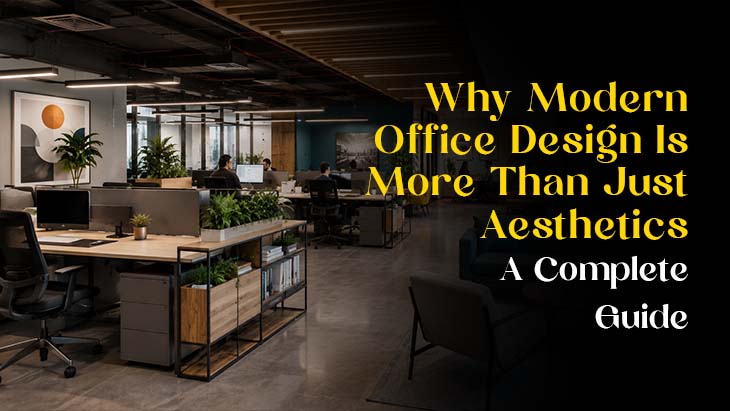


The modern workplace has undergone a remarkable transformation over the last decade. What was once considered a simple office with desks, chairs, and meeting rooms has evolved into a dynamic environment that reflects a company's identity, supports employee well-being, and drives business performance. Today, modern office design is no longer limited to creating visually appealing interiors. Instead, it focuses on building workspaces that improve productivity, encourage collaboration, enhance creativity, and create memorable experiences for both employees and clients.
Businesses across industries are investing in office interior design because they understand that the workplace directly impacts employee satisfaction and organizational success. A thoughtfully designed office can increase motivation, reduce workplace stress, strengthen company culture, and even help attract and retain top talent. Whether you operate a startup, a corporate office, or a creative agency, designing an efficient and functional workspace has become a strategic business decision rather than a decorative upgrade.
This comprehensive guide explains why modern office interior design is much more than aesthetics, explores the essential principles of effective workplace design, and highlights how businesses can create environments that support long-term growth and innovation.
What Is Modern Office Design?
Modern office design is the practice of creating workspaces that combine functionality, technology, comfort, and visual appeal to meet the changing needs of today's workforce. Unlike traditional office layouts that emphasized fixed seating arrangements and private cabins, modern workplaces are designed to be flexible, adaptable, and employee-centric. The primary objective is to create an environment where employees can perform efficiently while feeling comfortable, engaged, and motivated throughout the workday.
A well-designed office supports different work styles by offering spaces for collaboration, private discussions, focused tasks, and informal interactions. It considers every aspect of the workplace, including furniture, lighting, acoustics, ventilation, technology integration, and overall space planning. Modern offices also embrace sustainability by incorporating environmentally friendly materials and energy-efficient systems that contribute to healthier and more responsible workplaces.
The increasing adoption of hybrid work models has further accelerated the importance of modern workspace design. Businesses now require offices that can easily adapt to changing workforce demands while maintaining operational efficiency. As a result, organizations are investing in flexible layouts that promote teamwork without compromising individual productivity.
Modern Office Design Is More Than Visual Appeal
Many people assume that office design is primarily about choosing attractive furniture, stylish décor, and elegant color schemes. While aesthetics certainly contribute to creating an inviting environment, they represent only one aspect of successful workplace design. The true value of commercial office design lies in its ability to improve how employees work, communicate, and interact with their surroundings.
A thoughtfully planned office reduces unnecessary distractions, improves workflow, and makes better use of available space. Comfortable seating, proper lighting, and ergonomic workstations help employees maintain focus for longer periods while minimizing fatigue and physical discomfort. Similarly, carefully planned meeting spaces encourage productive discussions and effective decision-making, ultimately contributing to improved business performance.
Why Modern Office Design Matters More Than Ever
The workplace has become one of the most influential factors affecting employee experience. As businesses compete to attract highly skilled professionals, office environments play an increasingly important role in shaping employee satisfaction, engagement, and loyalty. Modern organizations recognize that investing in office design ideas is not simply about creating attractive spaces but about building environments where people can perform at their best.
Employee expectations have also changed significantly. Today's workforce values flexibility, comfort, technology, and wellness. Employees want workspaces that support creativity, encourage collaboration, and provide opportunities for both focused work and social interaction. Companies that meet these expectations often experience stronger employee engagement, improved productivity, and lower staff turnover.
In addition to supporting employees, a professionally designed office also strengthens a company's reputation. Clients, investors, and business partners often form their first impressions based on the workplace environment. A clean, organized, and modern office communicates professionalism, innovation, and attention to detail, helping businesses establish trust from the very first meeting.
The Impact on Employee Productivity
Productivity is one of the strongest reasons organizations invest in office interior design. Employees spend a significant portion of their day in the workplace, making the physical environment a major factor in determining their performance. Poor lighting, uncomfortable furniture, overcrowded layouts, and excessive noise can quickly reduce concentration and increase workplace stress.
A modern office addresses these challenges by creating spaces that support both physical comfort and mental focus. Ergonomic furniture minimizes strain during long working hours, while proper lighting reduces eye fatigue and enhances alertness. Thoughtful space planning ensures employees have easy access to the resources they need without unnecessary interruptions. As a result, employees can concentrate more effectively, complete tasks efficiently, and maintain higher levels of motivation throughout the day.
Organizations that prioritize office design for employee productivity often notice improvements in collaboration, innovation, and overall workplace performance. When employees feel comfortable and supported by their environment, they are more likely to contribute creative ideas, communicate openly, and remain committed to organizational goals.
Building a Positive Workplace Culture
A company's office reflects its culture and values just as much as its products or services. The design of a workspace influences how employees interact with one another, solve problems, and develop professional relationships. Modern office layouts encourage transparency, teamwork, and knowledge sharing by creating spaces where employees can collaborate naturally while still having access to private areas for focused work.
An inviting workplace also promotes a sense of belonging among employees. Comfortable breakout areas, collaborative meeting spaces, and thoughtfully designed common areas encourage informal conversations that often lead to stronger relationships and better teamwork. These interactions contribute to a more positive organizational culture where employees feel connected to both their colleagues and the company's mission.
As businesses continue to embrace flexible work arrangements, workplace culture has become increasingly important. A well-designed office gives employees a reason to return to the workplace by offering experiences that cannot easily be replicated in a remote environment. This balance between flexibility and collaboration helps organizations maintain strong company cultures while adapting to modern work practices.
Essential Elements of Modern Office Interior Design
Successful modern office interior design combines aesthetics with practicality to create workspaces that support business objectives while enhancing employee well-being. Every design element should serve a purpose, whether it is improving workflow, encouraging collaboration, or creating a healthier working environment. Rather than focusing solely on appearance, modern office interiors prioritize functionality and adaptability to ensure the workspace remains effective as business needs evolve.
One of the most important aspects of contemporary office design is ergonomics. Employees spend long hours sitting at desks, attending meetings, and using computers, making physical comfort essential for maintaining productivity. Ergonomic furniture, including adjustable chairs and height-adjustable desks, helps reduce fatigue, improve posture, and minimize the risk of workplace injuries. When employees are physically comfortable, they are more likely to remain focused and productive throughout the day.
Technology has also become an essential component of modern office design. Businesses increasingly rely on digital collaboration tools, smart conference rooms, wireless connectivity, and automated systems to improve operational efficiency. Integrating technology seamlessly into the workplace enables employees to communicate more effectively, conduct virtual meetings without disruption, and access information quickly regardless of their location.
Another defining characteristic of modern workplaces is the use of natural light and open spaces. Offices that maximize daylight create brighter, healthier environments that positively influence employee mood and energy levels. Combined with effective ventilation and carefully planned layouts, natural lighting contributes to improved concentration, reduced stress, and greater overall workplace satisfaction. Instead of feeling confined within enclosed spaces, employees benefit from open environments that encourage movement, communication, and creativity.
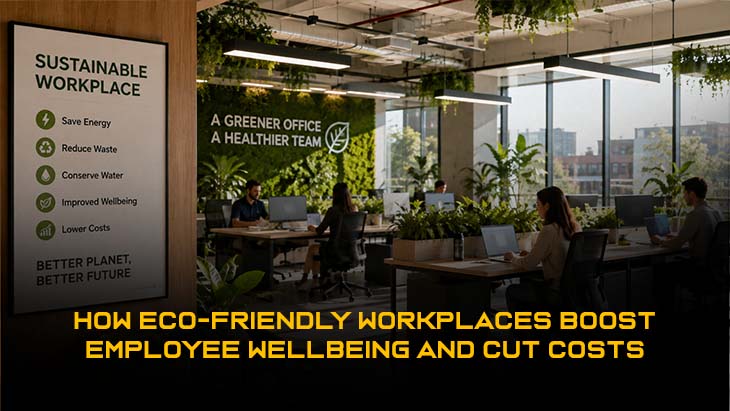
Sustainability has also become a central consideration in workplace design. Many organizations now choose environmentally responsible materials, energy-efficient lighting systems, and eco-friendly construction practices to reduce their environmental impact. Sustainable office design not only supports corporate social responsibility initiatives but also creates healthier indoor environments that benefit employees while lowering long-term operational costs.
Ultimately, the success of a modern office depends on its ability to balance functionality, comfort, technology, and aesthetics. When these elements work together, businesses create workplaces that enhance employee experiences, strengthen organizational culture, and contribute to long-term business growth.
Popular Modern Office Design Styles
Selecting the right modern office design style is an important decision because it influences how employees interact with the workplace and how visitors perceive the organization. Every business has different operational needs, company values, and branding objectives, so there is no one-size-fits-all approach to designing an office. The most successful workspaces combine visual appeal with functionality while creating an environment that aligns with the organization's culture. Whether a company prefers clean and minimal interiors or vibrant collaborative spaces, the design should support employee productivity and create a positive working experience.
Minimalist office design remains one of the most preferred styles for modern workplaces because it emphasizes simplicity, organization, and efficiency. Neutral color palettes, uncluttered workstations, and functional furniture help create calm environments where employees can concentrate without unnecessary distractions. This design philosophy promotes clarity and allows businesses to maximize available space while maintaining a professional appearance.
Another popular approach is the open-plan office, which encourages communication and collaboration by reducing physical barriers between employees. Instead of assigning isolated cabins to every individual, open layouts create opportunities for spontaneous discussions, quicker decision-making, and stronger teamwork. Although open offices require thoughtful acoustic planning and designated quiet areas, they continue to be widely adopted because they support collaboration while making better use of office space.
Many organizations are also embracing biophilic design, which integrates natural elements into the workplace. Indoor plants, living walls, natural wood finishes, large windows, and abundant daylight create healthier environments that reduce stress and improve employee well-being. Numerous studies have shown that employees working in spaces with natural elements tend to feel more relaxed, creative, and engaged throughout the workday. As businesses increasingly prioritize employee wellness, biophilic design has become a defining feature of modern office interior design.
Hybrid workplace design has also emerged as one of the fastest-growing trends. With many employees splitting their time between home and the office, organizations now require flexible workspaces that accommodate changing schedules. Modern hybrid offices include collaborative meeting areas, shared workstations, technology-enabled conference rooms, and adaptable seating arrangements that allow businesses to optimize space while supporting both in-office and remote employees.
How to Plan a Successful Modern Office Design
Creating an effective office begins with careful planning rather than selecting furniture or decorative elements. Successful office space planning starts by understanding the organization's objectives, employee requirements, workflow patterns, and future expansion plans. Every department functions differently, and the office should be designed to support those unique operational needs while maintaining a consistent and cohesive workplace environment.
Before beginning any design project, businesses should evaluate how employees perform their daily tasks. Teams that frequently collaborate may require open meeting areas and brainstorming spaces, while departments handling confidential work may need private offices or enclosed discussion rooms. Understanding these requirements allows organizations to allocate space more efficiently and avoid costly redesigns in the future.
Employee experience should remain at the center of every design decision. Comfortable furniture, accessible meeting rooms, adequate storage, and thoughtfully planned common areas all contribute to a workplace where employees feel supported. Modern offices are increasingly designed around flexibility, allowing workspaces to adapt as business priorities change. Modular furniture, movable partitions, and multi-purpose rooms make it easier for organizations to respond to future growth without major renovations.
Technology should also be integrated into the planning process from the very beginning. Reliable internet infrastructure, smart meeting rooms, wireless collaboration tools, and digital communication systems are no longer optional features but essential components of today's workplace. Businesses that incorporate technology during the design phase create more efficient work environments while avoiding unnecessary installation costs later.
Lighting, ventilation, and acoustics also deserve careful consideration. Employees perform best in environments with sufficient natural light, comfortable temperatures, and minimal background noise. Proper acoustic treatment ensures conversations and meetings do not disrupt focused work, while balanced lighting helps reduce eye strain and fatigue. Together, these factors contribute significantly to creating a productive and comfortable workplace.
Common Mistakes to Avoid in Office Design
Despite investing significant budgets in office interior design, many businesses overlook essential factors that determine the long-term success of their workspace. One of the most common mistakes is focusing exclusively on aesthetics while ignoring functionality. An office may look impressive, but if employees struggle with uncomfortable seating, poor lighting, or inefficient layouts, overall productivity will suffer regardless of how attractive the space appears.
Another frequent mistake is underestimating the importance of employee feedback during the planning process. Since employees spend the majority of their working hours in the office, they often provide valuable insights into workflow challenges, collaboration requirements, and comfort needs. Involving employees early in the design process helps organizations create workspaces that genuinely support daily operations.
Poor space utilization is another issue that affects workplace efficiency. Overcrowded workstations, insufficient meeting rooms, inadequate storage, and poorly organized layouts can quickly create frustration among employees. Effective office space planning ensures every area serves a meaningful purpose while maintaining flexibility for future expansion.
Many organizations also fail to consider future technological requirements. As digital tools continue to evolve, offices should be designed with adaptable infrastructure that supports future upgrades without requiring major renovations. Planning for scalability allows businesses to remain competitive while reducing long-term operational costs.
Ignoring sustainability is another missed opportunity. Energy-efficient lighting, environmentally friendly materials, and sustainable building practices not only reduce operating expenses but also demonstrate corporate responsibility. Modern businesses increasingly recognize that sustainable design contributes to healthier workplaces while strengthening their environmental commitments.
Future Trends in Modern Office Design
The future of modern office design will continue to be shaped by changing employee expectations, technological advancements, and evolving business strategies. Organizations are moving beyond traditional office environments to create intelligent workplaces that prioritize flexibility, efficiency, and employee well-being. As hybrid work models become more common, businesses will increasingly invest in adaptable spaces capable of supporting both physical and virtual collaboration.
Artificial intelligence is expected to play a growing role in workplace management. Smart office systems will monitor occupancy, optimize energy consumption, schedule meeting rooms automatically, and personalize workplace experiences based on employee preferences. These technologies will help organizations improve operational efficiency while creating more comfortable work environments.
Employee wellness will remain one of the most influential design priorities in the coming years. Businesses are recognizing that healthy employees are more engaged, productive, and satisfied. As a result, future workplaces will include wellness rooms, fitness areas, improved indoor air quality, natural lighting, and biophilic design features that support both physical and mental health.
Sustainability will also continue to influence commercial office design. Companies are increasingly seeking environmentally responsible materials, energy-efficient systems, and carbon-conscious construction practices to reduce their environmental footprint. Green building certifications and sustainable workplace initiatives will become important differentiators for organizations looking to strengthen their corporate image while reducing operational costs.
Flexibility will define the offices of tomorrow. Rather than assigning permanent workstations, businesses will continue developing adaptable spaces that support multiple working styles. Employees will have access to collaborative zones, quiet focus rooms, informal meeting areas, and technology-enabled workspaces that can be reconfigured as organizational needs evolve. This level of flexibility ensures businesses remain resilient while providing employees with environments that encourage creativity and innovation.
Conclusion
Modern office design is far more than an architectural trend or an opportunity to create visually attractive interiors. It is a strategic investment that influences employee productivity, workplace culture, business efficiency, and brand perception. Organizations that prioritize thoughtful office interior design create environments where employees feel comfortable, motivated, and empowered to perform at their highest potential.
By combining effective office space planning, ergonomic furniture, smart technology, sustainable materials, and employee-focused design principles, businesses can transform ordinary workplaces into environments that inspire innovation and collaboration. Every element of a modern office should support both organizational objectives and employee well-being, ensuring that the workspace remains functional as business needs continue to evolve.
As the future of work continues to change, companies that embrace modern office design will be better positioned to attract top talent, improve operational performance, and build stronger relationships with clients. A well-designed office is no longer simply a reflection of style—it is a powerful business asset that contributes directly to long-term success and sustainable growth.
Frequently Asked Questions
1. Why is modern office design important for businesses?
Modern office design improves employee productivity, supports collaboration, enhances workplace well-being, strengthens company culture, and creates a professional impression for clients. It also helps businesses adapt to changing work environments and future growth.
2. How does office interior design affect employee productivity?
A well-designed office reduces distractions, improves comfort through ergonomic furniture, maximizes natural lighting, and creates organized workspaces that allow employees to focus more effectively and perform at their best.
3. What are the key features of modern office design?
Modern office design typically includes flexible layouts, ergonomic furniture, smart technology, sustainable materials, collaborative spaces, natural lighting, efficient office space planning, and employee wellness features.
4. What is the difference between traditional and modern office design?
Traditional offices generally focus on fixed layouts and individual workspaces, whereas modern office design emphasizes flexibility, collaboration, technology integration, employee comfort, and efficient use of space to support evolving business needs.
5. How can businesses create a future-ready office?
Businesses can create future-ready offices by investing in flexible workspace design, integrating smart technologies, prioritizing employee well-being, adopting sustainable practices, and designing spaces that can easily adapt to changing workforce requirements and business growth.

Leave a reply