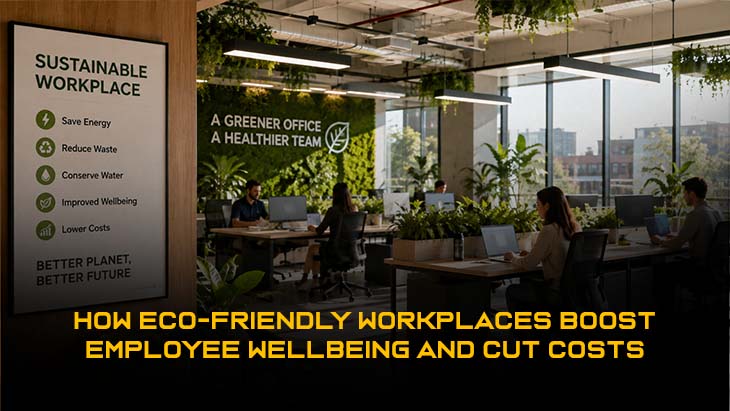


Eco-friendly workplaces are becoming an important part of modern business strategy. Companies are increasingly looking beyond traditional office design and focusing on creating healthier, more sustainable environments for their employees. An eco-friendly workplace uses resources responsibly, reduces unnecessary waste, improves indoor environmental quality, and encourages employees to adopt sustainable habits. More importantly, these practices can benefit both employees and businesses by supporting wellbeing, improving productivity, and reducing operational costs.
What Is an Eco-Friendly Workplace?
An eco-friendly workplace is an office environment designed and managed with sustainability in mind. It focuses on reducing energy consumption, minimizing waste, conserving water, improving indoor air quality, and making better use of natural resources. Sustainable workplaces can include energy-efficient lighting, smart heating and cooling systems, natural ventilation, indoor plants, recycled or sustainable furniture, waste segregation systems, and water-saving fixtures. However, creating a green office is not only about installing environmentally friendly equipment. It also involves developing workplace practices that encourage employees to use resources responsibly.
How Sustainable Offices Improve Employee Wellbeing
The physical environment in which employees work can have a significant effect on their comfort, concentration, and overall wellbeing. Employees spend a considerable portion of their day inside the workplace, which means factors such as lighting, temperature, air quality, noise, and access to natural elements can influence how they feel and perform. Eco-friendly workplace design often addresses these factors by creating cleaner, brighter, and more comfortable spaces.
Natural light is one of the most valuable features of a sustainable workplace. Offices that make better use of daylight can create a more pleasant working atmosphere while reducing dependence on artificial lighting. Large windows, open layouts, and appropriate workspace positioning can help employees receive more natural light during the day. A well-lit environment can make workspaces feel more comfortable and inviting while also contributing to reduced energy consumption.
Indoor air quality is another important aspect of employee wellbeing. Poor ventilation, excessive indoor pollutants, and inadequate air circulation can make an office uncomfortable and may affect concentration. Eco-friendly offices can address these concerns through improved ventilation systems, regular maintenance, low-emission materials, and indoor plants where appropriate. A workplace with better air quality can create a fresher and more comfortable environment for employees throughout the working day.
The Role of Plants and Biophilic Workplace Design
Bringing elements of nature into the workplace has become increasingly popular as businesses look for ways to create more welcoming office environments. Plants, natural materials, greenery, and views of outdoor spaces can make an office feel less artificial and more connected to nature. This approach, often associated with biophilic design, can complement broader sustainability goals.
A workplace with greenery can also improve the visual character of an office. Instead of relying entirely on conventional walls and furniture, businesses can incorporate plants into reception areas, meeting spaces, shared workspaces, and breakout areas. When carefully planned, these features can contribute to a calmer and more comfortable workplace atmosphere while supporting an overall sustainable office concept.
Energy Efficiency Can Reduce Business Costs
One of the biggest financial advantages of an eco-friendly workplace is the potential reduction in energy consumption. Offices depend on electricity for lighting, computers, air conditioning, heating, appliances, and other equipment. When these resources are used inefficiently, energy bills can become a significant operating expense.
Energy-efficient LED lighting can consume less electricity than older lighting technologies while providing effective illumination. Motion sensors and smart lighting controls can further reduce unnecessary energy use by switching lights off when rooms are unoccupied. Similarly, programmable thermostats and energy-efficient heating and cooling systems can help businesses manage indoor temperatures without excessive energy consumption.
Businesses can also reduce electricity use by encouraging employees to switch off equipment when it is not required. Computers, monitors, printers, and other office devices can consume energy even when they are not actively being used. Establishing simple energy-conscious workplace habits can therefore support both environmental objectives and cost reduction.
Waste Reduction Creates a More Efficient Workplace
Waste management is another major component of an eco-friendly workplace. Offices can generate significant quantities of paper, packaging, disposable products, food waste, and electronic waste. Simply throwing everything into general waste increases disposal requirements and reduces opportunities for recycling and reuse.
A sustainable workplace can encourage employees to reduce unnecessary printing, reuse materials where possible, and separate recyclable materials from general waste. Digital documentation and electronic communication can also reduce dependence on paper. Instead of printing every document, businesses can use digital approval systems, cloud-based collaboration platforms, and electronic record keeping.
Reducing waste can also lower purchasing costs. When companies carefully evaluate what they buy and how frequently they use it, they may discover opportunities to reduce unnecessary spending. Sustainable procurement can encourage businesses to choose durable products, reusable office supplies, recycled materials, and products with longer useful lifespans.
Water Conservation Supports Sustainability and Savings
Water conservation is often overlooked when businesses consider workplace sustainability. However, offices can consume considerable amounts of water through bathrooms, kitchens, cleaning activities, landscaping, and other facilities. Water-efficient taps, dual-flush toilets, leak detection, and responsible cleaning practices can help reduce unnecessary consumption.
Rainwater harvesting and efficient landscaping can also support water conservation in suitable workplaces. Businesses with outdoor spaces can consider plants that require less water and maintenance. These approaches can reduce water usage while helping companies manage long-term facility costs.
Sustainable Workplaces Can Improve Productivity
Employee wellbeing and productivity are closely connected. When employees are comfortable, engaged, and able to concentrate, they may be better positioned to perform their responsibilities effectively. A thoughtfully designed eco-friendly workplace can support productivity by reducing common environmental distractions and creating a more pleasant working atmosphere.
Temperature, lighting, air quality, noise, and workspace design can all influence how employees experience their working environment. A sustainable office should therefore balance environmental responsibility with employee comfort. Energy efficiency should not mean creating uncomfortable workspaces, and reducing resource consumption should not compromise the needs of employees.
A workplace that demonstrates a genuine commitment to employee wellbeing can also contribute to employee engagement. When workers see that their organization is investing in healthier and more responsible working conditions, they may feel more connected to the company's values.
Eco-Friendly Workplaces Strengthen Company Culture
Sustainability can become an important part of workplace culture when employees are actively encouraged to participate. Businesses can promote environmentally responsible habits through internal awareness programs, recycling practices, energy-saving initiatives, and sustainable commuting options. Employees can also be encouraged to share ideas for making the workplace more environmentally responsible.
When sustainability becomes part of everyday workplace behavior rather than a one-time project, it can create a stronger sense of shared responsibility. Employees from different departments can participate in environmental initiatives, helping sustainability become a common organizational goal.
Sustainable Workplaces Can Support Employee Attraction and Retention
Modern employees increasingly pay attention to the values and working environment of the organizations they join. A company that demonstrates a meaningful commitment to sustainability and employee wellbeing may create a stronger impression among prospective employees.
An eco-friendly office can also contribute to workplace satisfaction. Comfortable workspaces, natural lighting, greenery, improved air quality, and responsible workplace practices can make the office more appealing. While sustainability alone cannot guarantee employee retention, it can form part of a broader workplace strategy focused on creating a positive employee experience.
How Technology Makes Offices More Sustainable
Technology can help businesses monitor and improve workplace sustainability. Smart building systems can track energy consumption, manage lighting, regulate temperatures, and identify areas of excessive resource use. Occupancy sensors can help businesses understand how different spaces are being used, allowing them to avoid unnecessary heating, cooling, or lighting in empty areas.
Digital tools can also support paper reduction and remote collaboration. Online meetings, digital documents, electronic signatures, and cloud-based systems can reduce the need for physical materials and unnecessary travel. When technology is implemented thoughtfully, it can help organizations improve efficiency while supporting environmental goals.
The Long-Term Business Benefits of Going Green
Creating an eco-friendly workplace requires planning and, in some cases, an initial investment. Energy-efficient equipment, sustainable materials, smart building systems, and workplace improvements may involve upfront costs. However, businesses should consider these investments from a long-term perspective.
Lower energy and water consumption can gradually reduce operating expenses. Durable products may require less frequent replacement, while waste reduction can decrease disposal and purchasing costs. Improvements to the workplace can also contribute to employee satisfaction and productivity, creating benefits that extend beyond direct financial savings.
The most successful sustainable workplaces are those that combine environmental responsibility with practical business objectives. Rather than treating sustainability as an additional expense, companies can view it as an opportunity to improve efficiency, workplace quality, and long-term resilience.
Creating a Healthier and More Sustainable Future
Eco-friendly workplaces demonstrate that environmental responsibility and business performance can work together. By improving energy efficiency, reducing waste, conserving water, incorporating natural elements, and creating healthier indoor environments, businesses can build offices that benefit both people and the planet.
The transition toward a sustainable workplace does not always require dramatic changes. Small improvements, when consistently implemented, can make a meaningful difference. Replacing inefficient lighting, reducing unnecessary printing, improving ventilation, adding greenery, managing waste responsibly, and encouraging sustainable employee habits can gradually transform an ordinary office into a healthier and more efficient workplace.
Ultimately, an eco-friendly workplace is more than a sustainable building. It is an environment where resource efficiency, employee wellbeing, productivity, and responsible business practices come together. Companies that invest in this approach can create workplaces that are better for employees, more efficient to operate, and more prepared for the future.
Conclusion
Creating an eco-friendly workplace is an effective way to support employee wellbeing while improving operational efficiency and reducing long-term costs. By combining energy-efficient solutions, natural elements, responsible resource management, and thoughtful Space Design, businesses can create healthier and more productive environments. A well-planned sustainable workplace not only benefits employees and the environment but also helps organizations build a more efficient, responsible, and future-ready business.


Leave a reply