

Introduction
In today's design and construction industry, clients expect more than technical drawings and conceptual sketches when planning a new space. Whether designing a corporate office, commercial property, retail outlet, or residential project, visualising the final outcome before construction begins is essential. This is where 3D renderings have become a game-changing tool.
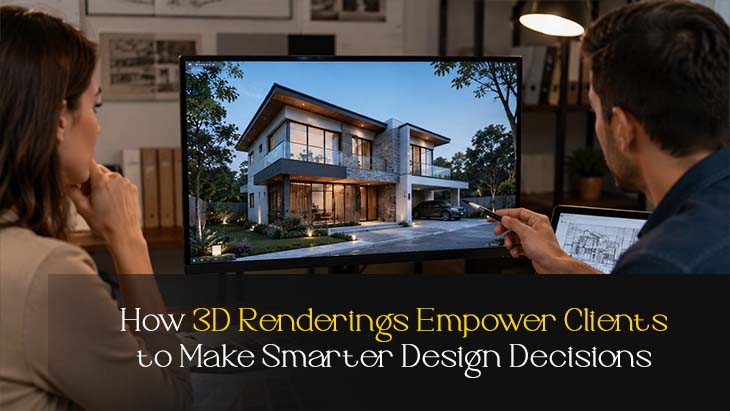
3D renderings provide realistic visual representations of a design concept, allowing clients to see how a space will look, feel, and function before any physical work starts. These detailed visualisations help bridge the gap between imagination and reality, making it easier for clients to understand design proposals and make informed decisions. As a result, many firms offering innovative office space design solutions rely heavily on 3D rendering technology to improve communication, reduce uncertainty, and enhance project outcomes.
What Are 3D Renderings?
3D renderings are digitally created images that represent a proposed design in a realistic and visually detailed format. Using advanced software, designers can create lifelike representations of interiors, exteriors, furniture layouts, lighting conditions, textures, and materials.
Unlike traditional blueprints or 2D drawings, 3D renderings provide depth, perspective, and realistic visual details. This allows clients to experience a space virtually before construction begins, helping them better understand the designer's vision.
Turning Concepts Into Visual Reality
One of the biggest challenges in design projects is helping clients visualise abstract ideas. Many people struggle to interpret technical drawings and floor plans, making it difficult to understand how a finished space will actually look.
3D renderings solve this problem by transforming concepts into realistic visual presentations. Clients can see every aspect of a design, including:
➤ Furniture placement
➤ Color schemes
➤ Lighting effects
➤ Material finishes
➤ Space layouts
This clarity helps clients feel more confident about design choices and reduces misunderstandings during the planning process.
Improving Communication Between Designers and Clients
Clear communication is essential for the success of any design project. Misinterpretations can lead to delays, costly revisions, and dissatisfaction with the final outcome.
3D renderings create a shared visual language between designers and clients. Instead of relying solely on verbal explanations or technical documents, designers can present realistic images that accurately communicate their ideas.
This improved communication helps clients:
➤ Understand design concepts quickly
➤ Provide more accurate feedback
➤ Identify preferences and concerns early
➤ Participate actively in decision-making
For businesses investing in innovative office space design solutions, this collaborative approach ensures that design goals align with business objectives.
Helping Clients Evaluate Design Options
Every design project involves multiple decisions regarding layouts, materials, colours, furniture, and finishes. Making these choices based on sketches alone can be difficult.
3D renderings allow clients to compare different design options side by side. Designers can quickly generate multiple versions of a space, enabling clients to evaluate alternatives before making final decisions.
This flexibility helps clients:
➤ Explore creative possibilities
➤ Compare design variations
➤ Assess functionality and aesthetics
➤ Choose options that best fit their needs
The ability to visualise alternatives significantly improves decision-making confidence.
Reducing Costly Design Changes
Changes made during construction can be expensive and time-consuming. Often, these changes occur because clients were unable to fully understand the design before implementation.
By using 3D renderings early in the project, potential issues can be identified and addressed before construction begins. Clients can review the design in detail and request modifications while changes are still easy and cost-effective to make.
Benefits include:
➤ Fewer construction delays
➤ Reduced project costs
➤ Improved budget control
➤ Faster project completion
This proactive approach is one reason why Innovative Office Space Design Solutions increasingly incorporate 3D visualisation into the design process.
Enhancing Space Planning and Functionality
A design may look attractive on paper but fail to function effectively in practice. 3D renderings help clients evaluate how a space will work in real-world scenarios.
For office environments, clients can assess the following:
➤ Employee workstations
➤ Meeting room layouts
➤ Traffic flow patterns
➤ Collaborative spaces
➤ Reception areas
By understanding how people will interact with a space, businesses can make more informed decisions about functionality and workplace efficiency.
Visualizing Materials, Colors, and Finishes
Selecting materials and finishes is a critical part of any design project. However, it can be challenging to imagine how different elements will work together.
3D renderings provide realistic representations of:
➤ Flooring materials
➤ Wall finishes
➤ Furniture selections
➤ Lighting fixtures
➤ Decorative elements
Clients can see how colours and textures interact within the overall design, helping them make confident choices that align with their vision and brand identity.
Increasing Confidence in Investment Decisions
Design and construction projects often involve significant financial investments. Clients naturally want assurance that their investment will deliver the desired results.
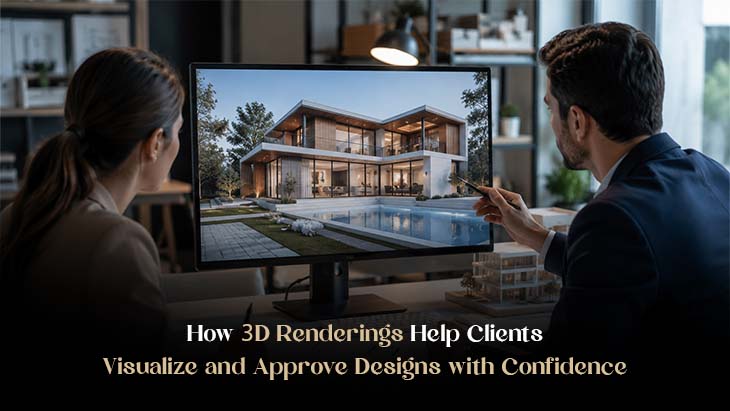
3D renderings provide that confidence by offering a realistic preview of the finished project. Clients can evaluate every detail before committing resources, reducing uncertainty and minimising risk.
This is especially important for businesses investing in innovative office space design solutions, where workplace design directly impacts productivity, employee satisfaction, and brand perception.
Supporting Faster Project Approvals
Project approvals can sometimes be delayed when stakeholders struggle to understand design proposals. Detailed renderings simplify the approval process by presenting designs in a clear and engaging format.
Benefits include:
➤ Faster stakeholder buy-in
➤ Improved investor presentations
➤ More efficient approval processes
➤ Reduced project delays
Decision-makers can quickly evaluate designs and provide feedback, helping projects move forward more efficiently.
Enhancing Marketing and Project Presentations
Beyond internal decision-making, 3D renderings are also valuable marketing tools. Businesses, developers, and designers use high-quality renderings to showcase projects to investors, clients, and potential buyers.
Renderings help:
➤ Communicate project vision
➤ Generate excitement and interest
➤ Support sales and leasing efforts
➤ Strengthen professional presentations
The ability to present realistic visualisations often makes a stronger impression than traditional drawings or descriptions.
The Role of 3D Renderings in Modern Office Design
As workplaces become more sophisticated, the importance of visualisation continues to grow. Modern offices incorporate flexible workspaces, smart technologies, collaborative zones, and wellness-focused features that can be difficult to communicate through traditional design methods.
3D renderings help businesses visualise the following:
➤ Open-plan office layouts
➤ Smart office technology integration
➤ Employee collaboration areas
➤ Brand-focused interior design
➤ Future workplace concepts
For firms delivering innovative office space design solutions, renderings play a crucial role in helping clients create workspaces that support productivity, creativity, and organisational growth.
The Future of 3D Visualization Technology
Technology continues to advance, making 3D renderings even more powerful and immersive. Emerging innovations include:
➤ Real-time rendering
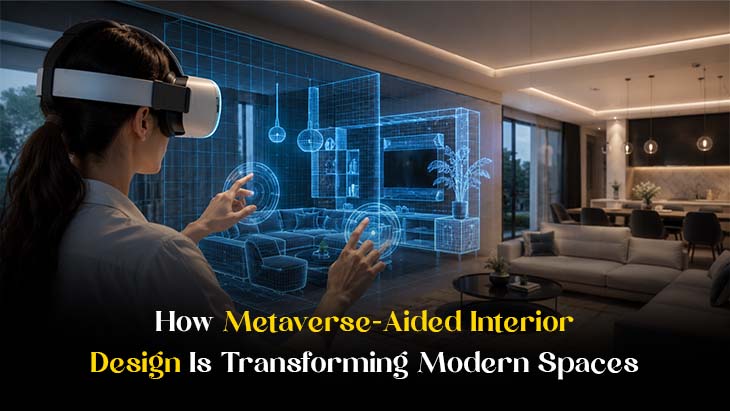
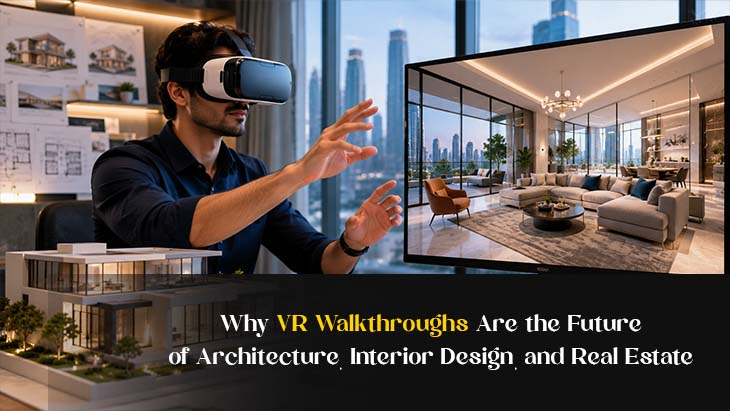
➤ Virtual Reality (VR) walkthroughs
➤ Augmented Reality (AR) experiences
➤ Interactive design presentations
➤ AI-powered visualization tools
These technologies will further enhance the decision-making process by allowing clients to interact with designs in increasingly realistic ways.
Conclusion
3D renderings have transformed the way clients evaluate and approve design projects. By providing realistic visual representations of concepts, they improve communication, reduce uncertainty, and enable more informed decision-making.
From selecting materials and layouts to evaluating functionality and aesthetics, 3D renderings empower clients to make confident choices before construction begins. They help reduce costly changes, streamline approvals, and ensure that final outcomes align with expectations.
As the demand for innovative office space design solutions continues to grow, 3D rendering technology will remain an essential tool for turning design concepts into successful realities.
Frequently Asked Questions (FAQs)
1. What are 3D renderings in design?
3D renderings are realistic digital images that show how a proposed space or design will look before construction or implementation begins.
2. Why are 3D renderings important for clients?
They help clients visualise designs clearly, understand layouts, and make informed decisions with greater confidence.
3. Can 3D renderings reduce project costs?
Yes. By identifying design issues early and reducing the need for changes during construction, 3D renderings can help lower project costs.
4. How do 3D renderings improve office design projects?
They allow businesses to visualise workspace layouts, furniture placement, branding elements, and functionality before implementation.
5. What is the difference between 2D drawings and 3D renderings?
2D drawings provide flat technical representations, while 3D renderings offer realistic, detailed visualisations that make designs easier to understand.

Leave a reply