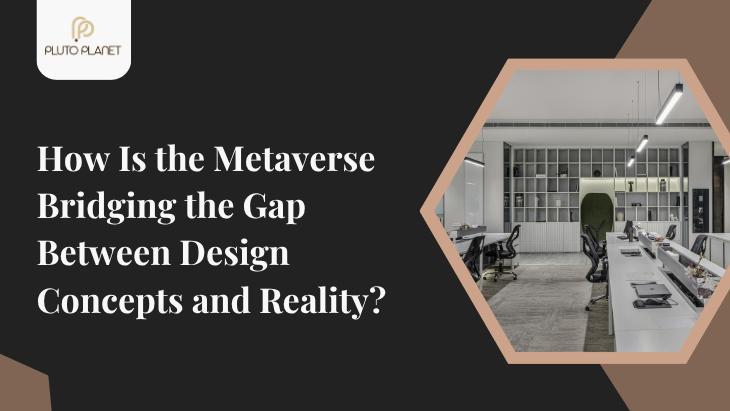


Introduction to the Metaverse in Design
The design industry is constantly evolving, and one of the most groundbreaking innovations shaping its future is the metaverse. As businesses and designers seek more effective ways to visualise projects before construction begins, the metaverse is emerging as a powerful solution. It creates immersive virtual environments where stakeholders can experience, evaluate, and interact with designs in real time. This technology is helping bridge the gap between conceptual ideas and physical reality, making the design process more accurate, collaborative, and efficient. Companies offering innovative office space design solutions are increasingly adopting metaverse technologies to improve project outcomes and enhance client experiences.
Understanding the Metaverse and Its Role in Design
The metaverse is a digital universe that combines virtual reality, augmented reality, and advanced 3D technologies to create interactive experiences. In the design world, it serves as a virtual platform where architects, interior designers, and clients can explore spaces before they are built. Unlike traditional design presentations that rely on sketches and static renderings, the metaverse allows users to move through realistic virtual environments and gain a deeper understanding of how a space will look and function. This interactive approach helps eliminate uncertainty and provides greater confidence during the planning process.
Moving Beyond Traditional Design Methods
Traditional design methods often make it difficult for clients to fully visualise a completed project. Floor plans and technical drawings require interpretation, and even advanced renderings can only provide limited perspectives. The metaverse changes this by creating fully immersive experiences where users can walk through spaces and interact with design elements. This level of visualisation helps clients understand layouts, dimensions, and design concepts more effectively. Businesses investing in innovative office space design solutions benefit from this enhanced clarity because it leads to better communication and more informed decision-making.
Creating Realistic Virtual Walkthroughs
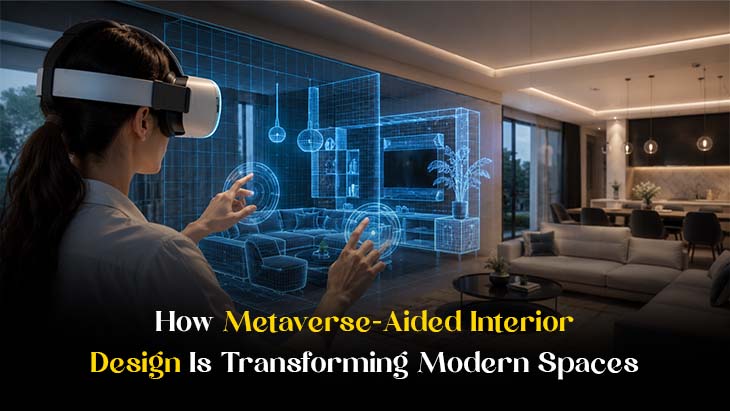
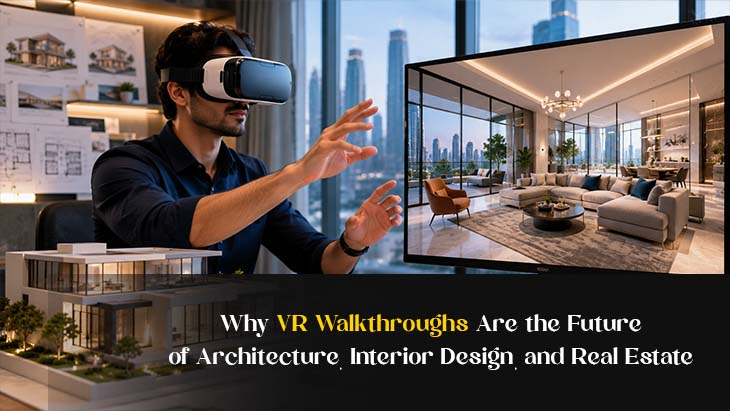
One of the most valuable applications of the metaverse is the ability to create realistic virtual walkthroughs. Clients can explore offices, commercial buildings, and other environments as if they already exist. These virtual experiences allow users to assess room layouts, evaluate furniture placement, and understand traffic flow within a space. Instead of imagining how a design might look, stakeholders can experience it firsthand. This helps identify potential issues early and ensures that design choices align with project goals before construction begins.
Improving Client Understanding and Confidence
A common challenge in design projects is helping clients fully understand the designer’s vision. Many clients struggle to interpret blueprints or conceptual drawings, which can lead to confusion and uncertainty. The metaverse addresses this challenge by offering a highly visual and interactive experience. Clients can see exactly how spaces will appear and function, making it easier to evaluate options and provide meaningful feedback. This increased understanding leads to greater confidence in design decisions and reduces the likelihood of misunderstandings later in the project.
Enhancing Collaboration Between Stakeholders
Successful design projects require collaboration among designers, architects, engineers, project managers, and clients. The metaverse creates a shared virtual environment where all stakeholders can interact regardless of their physical location. Team members can review designs together, discuss modifications, and make decisions in real time. This collaborative approach improves communication and ensures that everyone remains aligned throughout the project. For companies providing innovative office space design solutions, the metaverse enables more efficient teamwork and faster project approvals.
Testing Design Concepts Before Construction
One of the greatest advantages of the metaverse is the ability to test and refine design concepts before any physical construction begins. Designers can experiment with different layouts, furniture arrangements, materials, and lighting configurations within a virtual environment. Clients can compare multiple options and identify the most effective solution for their needs. This process reduces risk, minimises costly changes during construction, and improves overall project efficiency.
Revolutionizing Office Space Planning
The workplace is changing rapidly, and businesses require office environments that support flexibility, collaboration, and employee well-being. The metaverse allows organisations to visualise and optimise office layouts before implementation. Companies can test workstation configurations, meeting room designs, collaborative spaces, and employee flow patterns within a virtual office. These insights help create workspaces that maximise productivity and functionality. As a result, the metaverse has become a valuable tool for delivering innovative office space design solutions that meet modern workplace demands.
Personalizing Design Experiences
Every organisation has unique requirements and design preferences. The metaverse enables clients to personalise spaces and see changes instantly. Whether adjusting colours, furniture styles, branding elements, or lighting conditions, users can experience modifications in real time. This level of customisation helps businesses create environments that reflect their identity and culture while ensuring practical functionality. Personalised design experiences also lead to higher client satisfaction and stronger engagement throughout the project.
Reducing Costs and Minimizing Project Delays
Design modifications made during construction can significantly increase project costs and timelines. The metaverse helps reduce these risks by allowing stakeholders to identify and resolve issues during the planning stage. By experiencing designs virtually, clients can approve layouts and features with greater confidence before implementation begins. This proactive approach minimises revisions, accelerates approvals, and improves budget management. Businesses utilising innovative office space design solutions often benefit from reduced project delays and more predictable outcomes.
Supporting Smart Technology Integration
Modern office environments increasingly rely on smart technologies such as automated lighting, intelligent climate control, occupancy sensors, and digital collaboration tools. The metaverse allows designers and clients to visualise how these technologies will function within a space before installation. This capability helps organisations optimise technology placement and ensure seamless integration with workplace design. By combining virtual planning with smart technology strategies, businesses can create highly functional and future-ready work environments.
Promoting Sustainable Design Practices
Sustainability has become a major priority in modern design. The metaverse supports environmentally responsible practices by reducing the need for physical prototypes and enabling more efficient planning. Designers can test sustainable materials, analyse energy performance, and optimise space utilisation within virtual environments. These capabilities help organisations make environmentally conscious decisions while reducing waste and improving resource efficiency. Sustainable planning is increasingly becoming a key component of innovative office space design solutions.
The Future of Metaverse-Driven Design
As technology continues to evolve, the role of the metaverse in design will become even more significant. Future developments are expected to include advanced virtual reality experiences, AI-powered design recommendations, digital twins, and real-time building performance simulations. These innovations will create even more immersive and intelligent design processes. Businesses that adopt metaverse technologies early will gain a competitive advantage by improving project efficiency, enhancing client experiences, and delivering more innovative spaces.
Conclusion
The metaverse is transforming how design concepts are brought to life by creating immersive virtual environments that bridge the gap between imagination and reality. Through realistic walkthroughs, enhanced collaboration, design testing, and personalised experiences, it enables businesses and designers to make more informed decisions before construction begins. As organisations continue to seek smarter and more efficient ways to plan and execute projects, the metaverse will play an increasingly important role in shaping the future of design. For companies investing in innovative office space design solutions, the metaverse offers a powerful platform for creating functional, flexible, and future-ready environments that meet the evolving needs of modern businesses.


Leave a reply